
What Winter Reveals—and How to Prevent Costly Spring Repairs
Landscaping in Western North Carolina comes with challenges that simply don’t exist in flatter parts of the country. Steep slopes, shallow soils, heavy rainfall, and freeze–thaw cycles all place added stress on landscapes—especially during winter. By the time spring arrives, many property owners are surprised to discover erosion, drainage failures, or structural movement that quietly worsened over the colder months.
Understanding why these problems happen—and how to prevent them—can save both money and long-term damage.
Why Erosion Worsens in Winter
Winter is one of the most damaging seasons for mountain landscapes, even though growth appears dormant. Bare soil, reduced root activity, and repeated freeze–thaw cycles weaken soil structure. When winter rains arrive, there’s less vegetation to slow runoff, allowing water to move downhill with greater force.
On sloped properties, this often leads to:
- Soil washing out around foundations, patios, and walkways
- Channels forming through lawns and landscape beds
- Sediment buildup at the base of slopes or near driveways
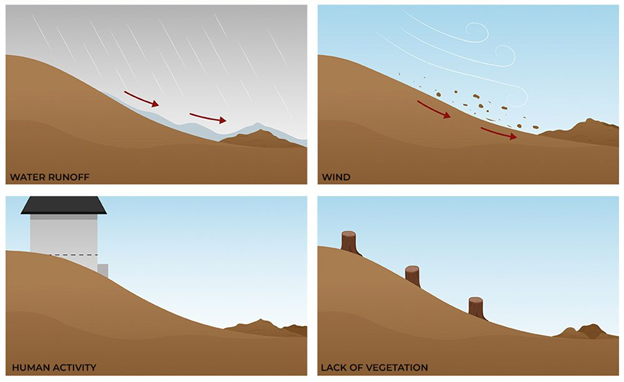
These issues rarely start in winter—but winter accelerates them. By spring, what looked like a small issue in fall may require major correction.
Temporary vs. Permanent Drainage Solutions
Many homeowners attempt quick fixes when runoff becomes visible. While some temporary measures can help slow damage, they rarely solve the underlying problem.
Temporary approaches may include:
- Straw, erosion blankets, or matting
- Surface swales cut into soil
- Redirecting water with hoses or makeshift channels
These can reduce immediate impact but are not designed to withstand sustained mountain weather.
Permanent solutions, on the other hand, address water at its source:
- Proper grading to control flow direction
- Subsurface drainage systems
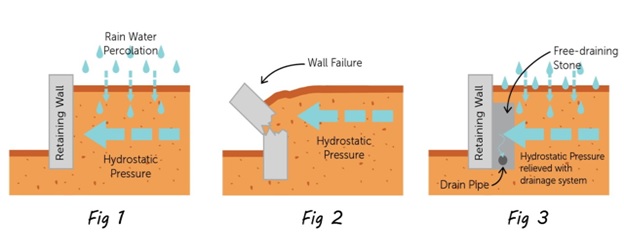
- Retaining walls with integrated drainage
- Terracing and stabilized slopes
- Planting deep-rooted, slope-appropriate vegetation
Permanent fixes require planning—but they prevent repeat damage and protect the value of the property long-term.
Is Your Retaining Wall Ready for Spring?
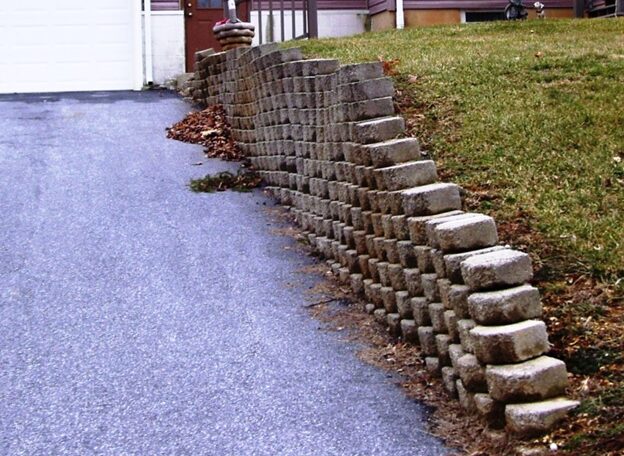
Winter places tremendous pressure on retaining walls. Saturated soil freezes, expands, and then shifts repeatedly. By spring, signs of failure may appear, including:
- Cracks in block or stone
- Leaning or bulging walls
- Separated caps or shifted stones
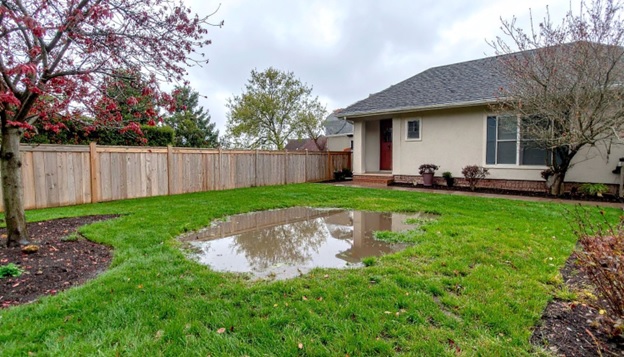
- Standing water or soggy soil behind the wall
Drainage is often the culprit. Without proper drainage behind a wall, water pressure builds and compromises structural integrity. This becomes especially concerning when walls support driveways, patios, or access roads—areas where failure can pose real safety risks.
Spring inspections are critical. Catching issues early can mean reinforcement rather than replacement.
Why Mountain Landscapes Fail (And How to Prevent It)
Most landscape failures in the mountains stem from a few common mistakes:
Poor grading
If water isn’t intentionally guided, it will find its own path—often toward foundations or downhill structures.
Wrong plant choices
Plants suited for flat, urban landscapes often struggle on slopes with thin soils and heavy runoff.
Ignoring water flow
Designing without considering how water moves across the property leads to repeated erosion and plant loss.
One-season thinking
Landscapes designed to look good in summer alone often fail under winter stress.
Successful mountain landscapes are built around year-round performance, not just seasonal appearance.
Why Waiting Until Spring Costs More
When erosion, drainage, or structural issues are ignored through winter, repairs become more extensive—and more expensive—once spring demand hits. Planning ahead allows time for thoughtful design, material sourcing, and proper scheduling before small problems turn into major ones.
At B. H. Graning Landscapes, Inc., we believe resilient mountain landscapes start with understanding how land, water, and structure work together—especially in Western North Carolina’s unique environment.
Winter reveals the truth. Smart planning prevents the damage.