
Supporting Bees and Biodiversity in Western North Carolina
As March arrives in Western North Carolina, the first signs of spring begin to emerge. Trees start to bud, early blooms appear, and pollinators like bees, butterflies, and hummingbirds begin to return. This makes March the perfect time to start planning and preparing a pollinator garden for your home or property.
Pollinators play a critical role in both our natural ecosystem and our food supply. They help flowering plants reproduce and support crops like apples, blueberries, strawberries, pumpkins, and more—many of which are important to Western North Carolina agriculture. Unfortunately, pollinator populations continue to decline due to habitat loss, pesticide exposure, invasive species, and changing climate conditions.
Creating a pollinator garden is one of the best ways homeowners can make a positive impact while also adding beauty and value to their landscape. At B. H. Graning Landscapes, Inc., we help homeowners design outdoor spaces that are both functional and environmentally beneficial. A well-planned pollinator garden can do both.
Why Pollinator Gardens Matter
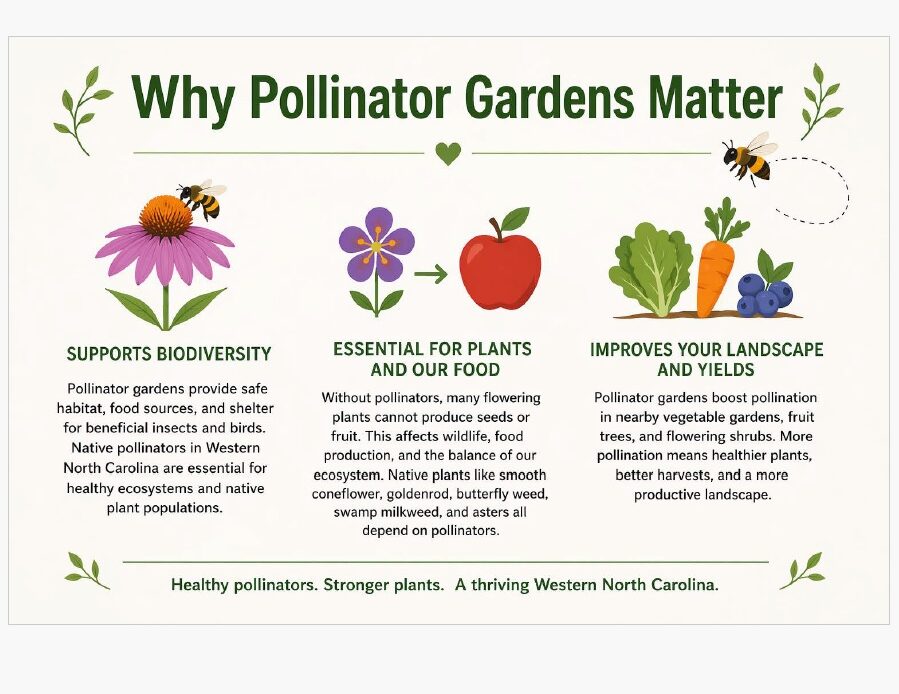
Pollinator gardens provide safe habitat, food sources, and shelter for beneficial insects and birds. In Western North Carolina’s mountain environment, native pollinators are especially important for maintaining biodiversity and supporting healthy native plant populations.
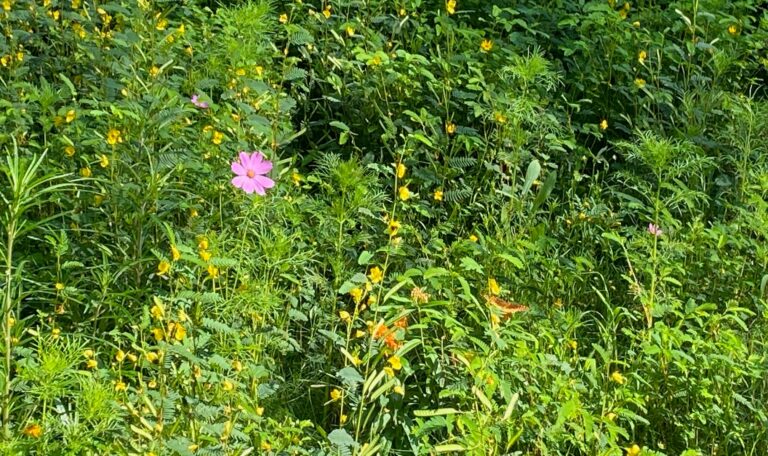
Without pollinators, many flowering plants cannot produce seeds or fruit. This affects wildlife, food production, and the overall balance of our local ecosystem. Native plants such as smooth coneflower, goldenrod, butterfly weed, swamp milkweed, and asters all depend heavily on pollinators for reproduction.
Pollinator gardens also improve nearby vegetable gardens, fruit trees, and flowering shrubs by increasing pollination activity throughout your property. This creates a healthier, more productive landscape overall.
Best Pollinator Plants for Western North Carolina
Choosing native plants is one of the best ways to support local pollinators. Native species are naturally adapted to our mountain soils, rainfall patterns, and temperature swings, making them easier to maintain and better for local wildlife.
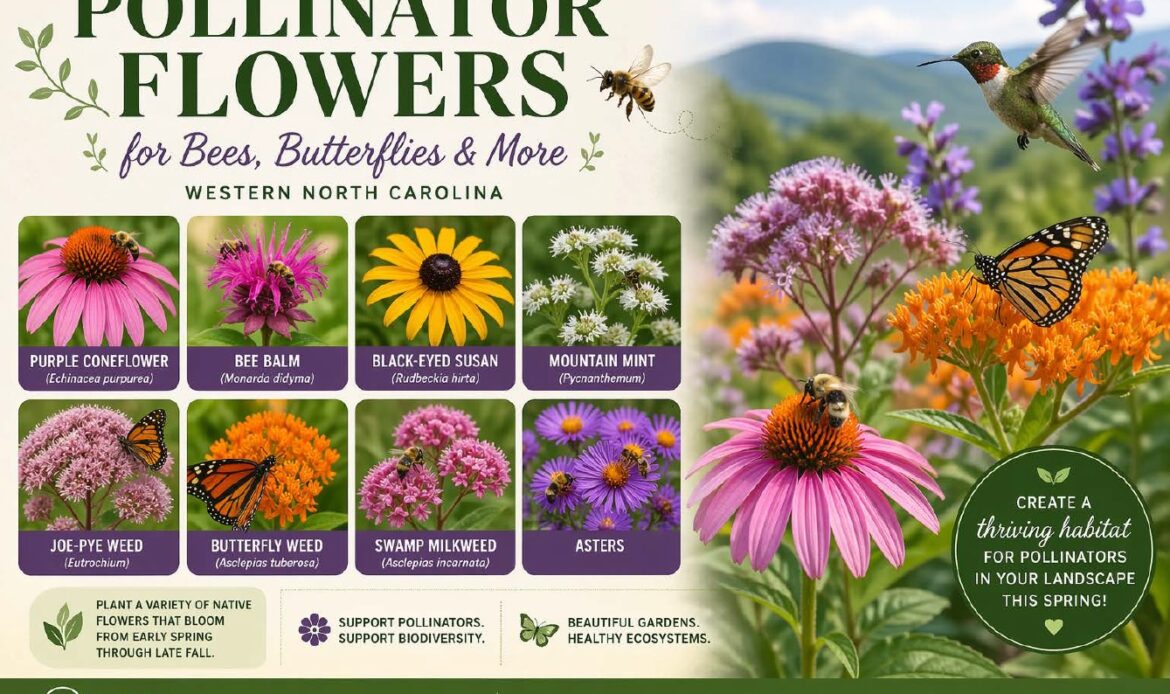
Some excellent pollinator-friendly plants for WNC include:
- Purple Coneflower (Echinacea purpurea)
- Bee Balm (Monarda didyma)
- Black-eyed Susan (Rudbeckia hirta)
- Mountain Mint (Pycnanthemum)
- Joe-Pye Weed (Eutrochium)
- Butterfly Weed (Asclepias tuberosa)
- Swamp Milkweed (Asclepias incarnata)
- Goldenrod (Solidago)
- Asters
- Sourwood trees
- Clover for early spring support
The key is selecting plants that bloom at different times throughout the season so pollinators have access to nectar and pollen from early spring through late fall.
How to Design a Successful Pollinator Garden
March is the ideal time to begin preparing your space before the full growing season begins.
Start by evaluating:
- Sunlight exposure
- Soil drainage and quality
- Slope and erosion concerns
- Access to water
- Existing trees and natural shelter
In Western North Carolina, slopes and drainage are especially important. A pollinator garden should work with the natural grade of your property, not against it.
Layering plants is another important design strategy. Groundcovers, perennials, shrubs, and flowering trees create multiple levels of habitat for different pollinators while adding texture and visual interest to your landscape.
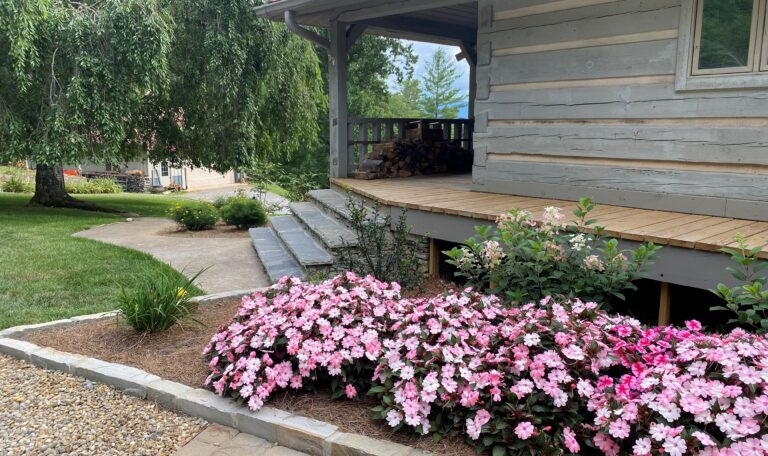
Natural stone borders, mulch beds, and erosion control features can also help create a clean, practical design while protecting plant health.
Smart Pest Management for Pollinator Safety
Pesticides can be harmful to pollinators if used incorrectly. Whenever possible, native plants should be prioritized because they often require less maintenance and fewer chemical treatments.
If pesticides are necessary:
- Apply treatments in the evening when bees are less active
- Avoid spraying during bloom periods
- Choose the lowest-toxicity products available
- Use natural soaps and oils when appropriate
- Create buffer zones with grasses or hedgerows to reduce drift
Protecting pollinators while maintaining plant health is an important part of responsible landscape management.
The Benefits for Your Landscape
Pollinator gardens are not only environmentally beneficial—they are beautiful additions to your property.
They provide:
- Seasonal color and visual interest
- Improved biodiversity
- Better fruit and vegetable production
- Low-maintenance native planting options
- Increased support for birds and beneficial insects
- Better long-term sustainability for your landscape
Once established, pollinator gardens often require less watering, less fertilizer, and less maintenance than traditional ornamental planting beds.
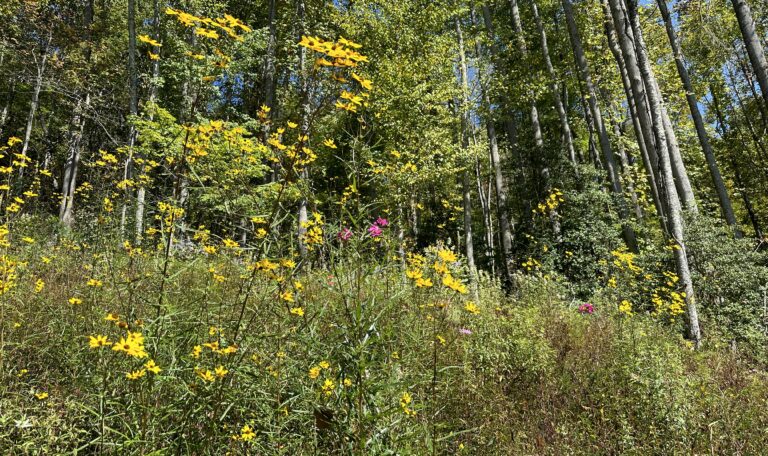
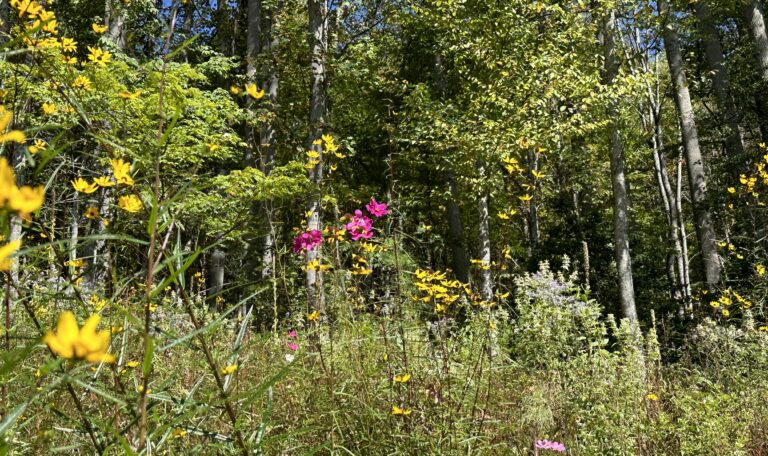
Start Your Pollinator Garden This Spring
March is the perfect time to prepare your landscape for a successful growing season. Starting a pollinator garden now allows your plants to establish strong roots and provides an early food source for returning pollinators.
At B. H. Graning Landscapes, Inc., we understand the unique growing conditions of Western North Carolina—from steep slopes and drainage challenges to mountain microclimates and native planting design.
Whether you want a small garden bed near your patio or a larger pollinator-focused landscape plan, our team can help create a custom design that enhances your property and supports the environment.
Let’s turn your landscape into a thriving habitat this spring.
Contact B. H. Graning Landscapes, Inc. today to schedule your consultation and start building a pollinator garden that works beautifully for both your home and Western North Carolina.